
WASH
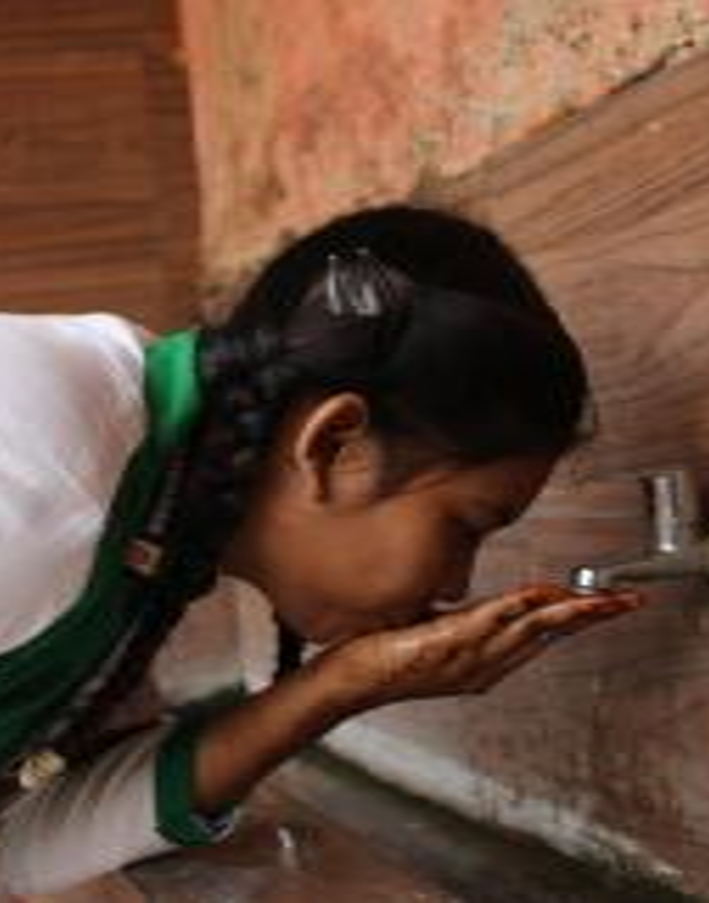
- 1800 Households built their toilets
- 100% Households moved from open defecation to the built toilets
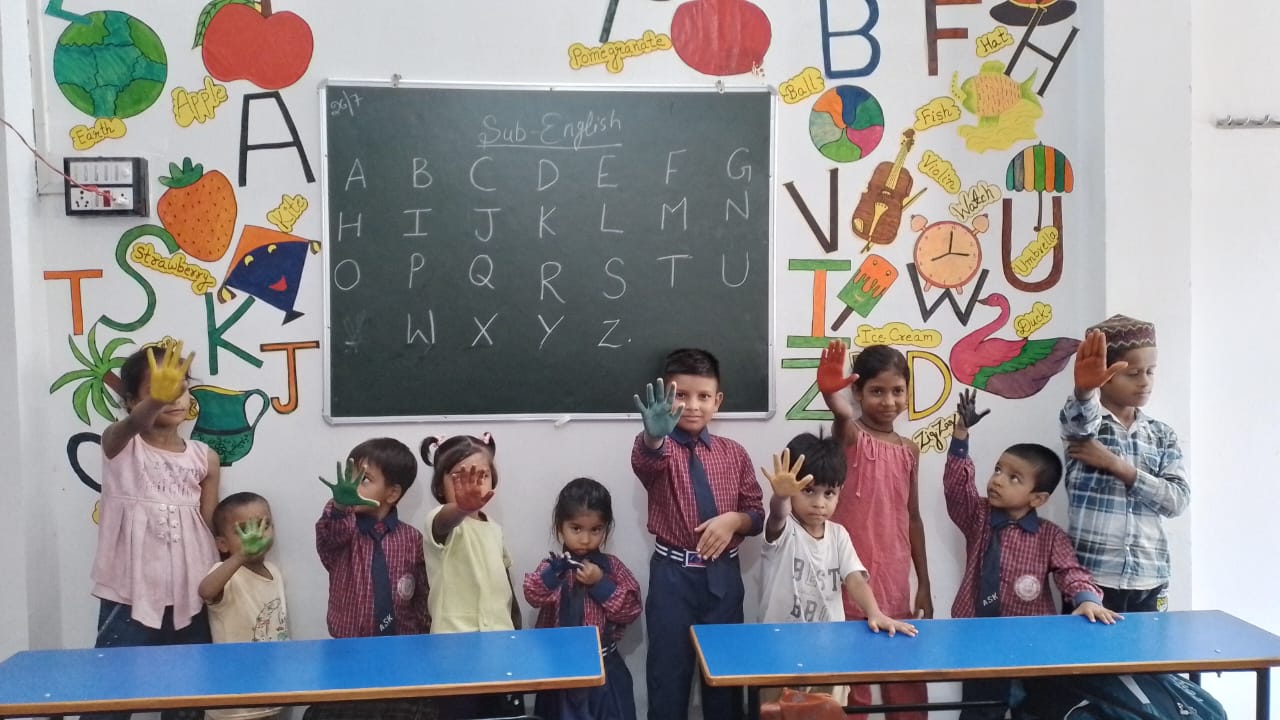
- Handwash practices among children have improved
SRHR (Sexual Reproductive Health and Rights)
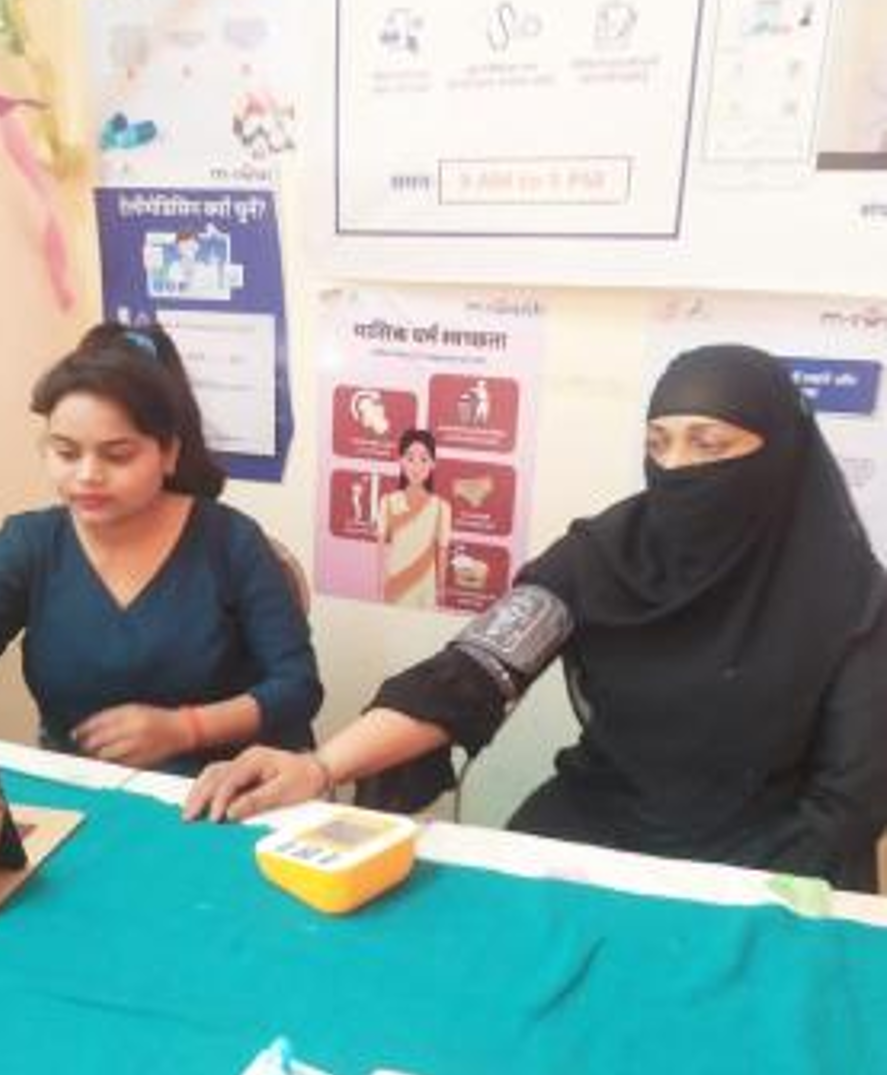
- 75% of girls and women use sanitary napkins and follow proper disposal practices.
- 50% of girls and women in communities are aware of best menstrual hygiene practices.
- 99% of girls in communities have awareness of Menstrual hygiene and its importance , Government support and hygiene-related schemes and Linkages to relevant government programs for improved access and support
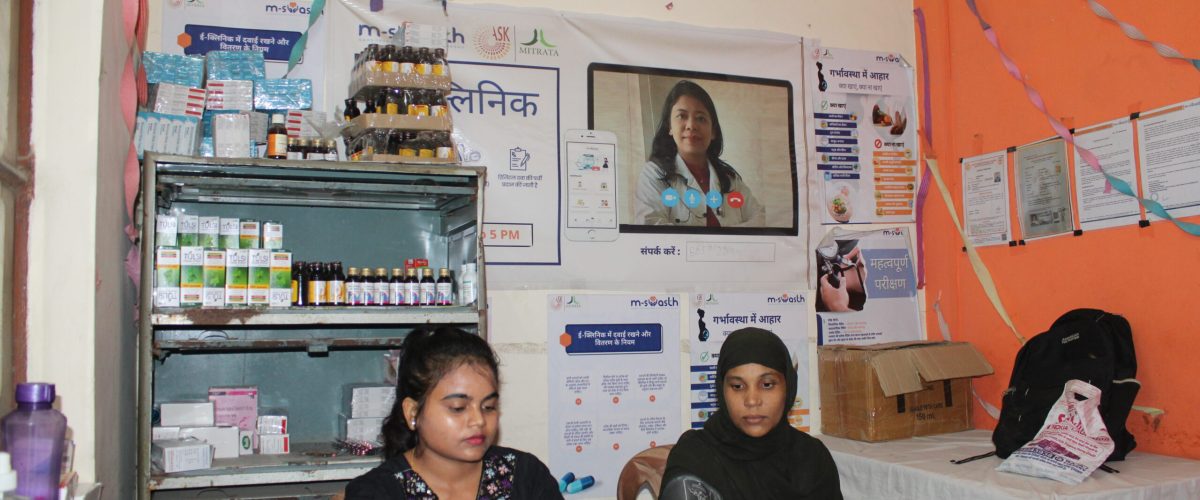
Digital Community Health Care
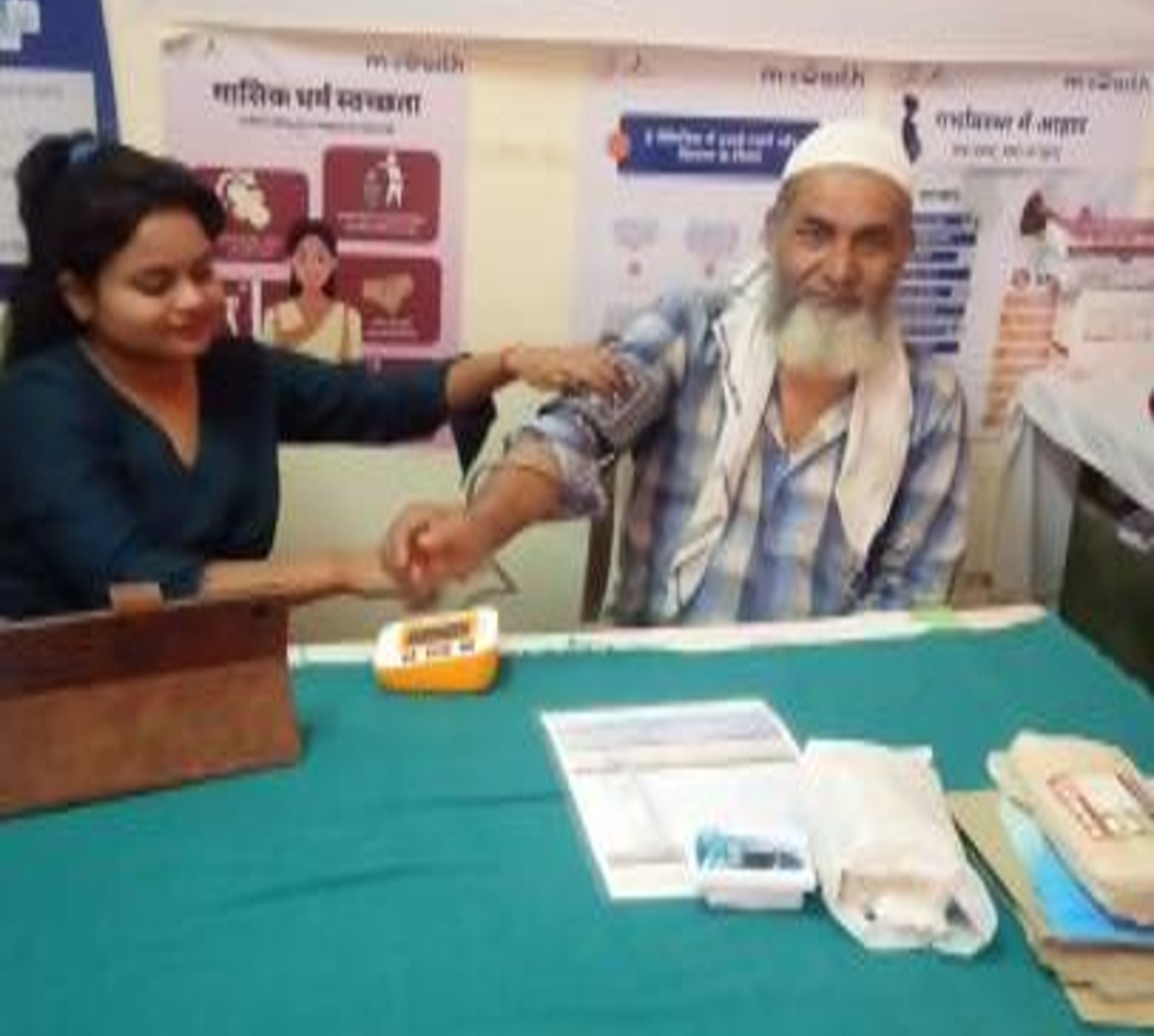
- Over 3,000 households were linked with quality and cost-effective telemedicine services and insurance, which takes care of recurring expenses from 45,000 to 90,000
- 80% of the households who used the above services experienced positive health outcomes
- 500 households received claims of 5000 to 15,000 through insurance
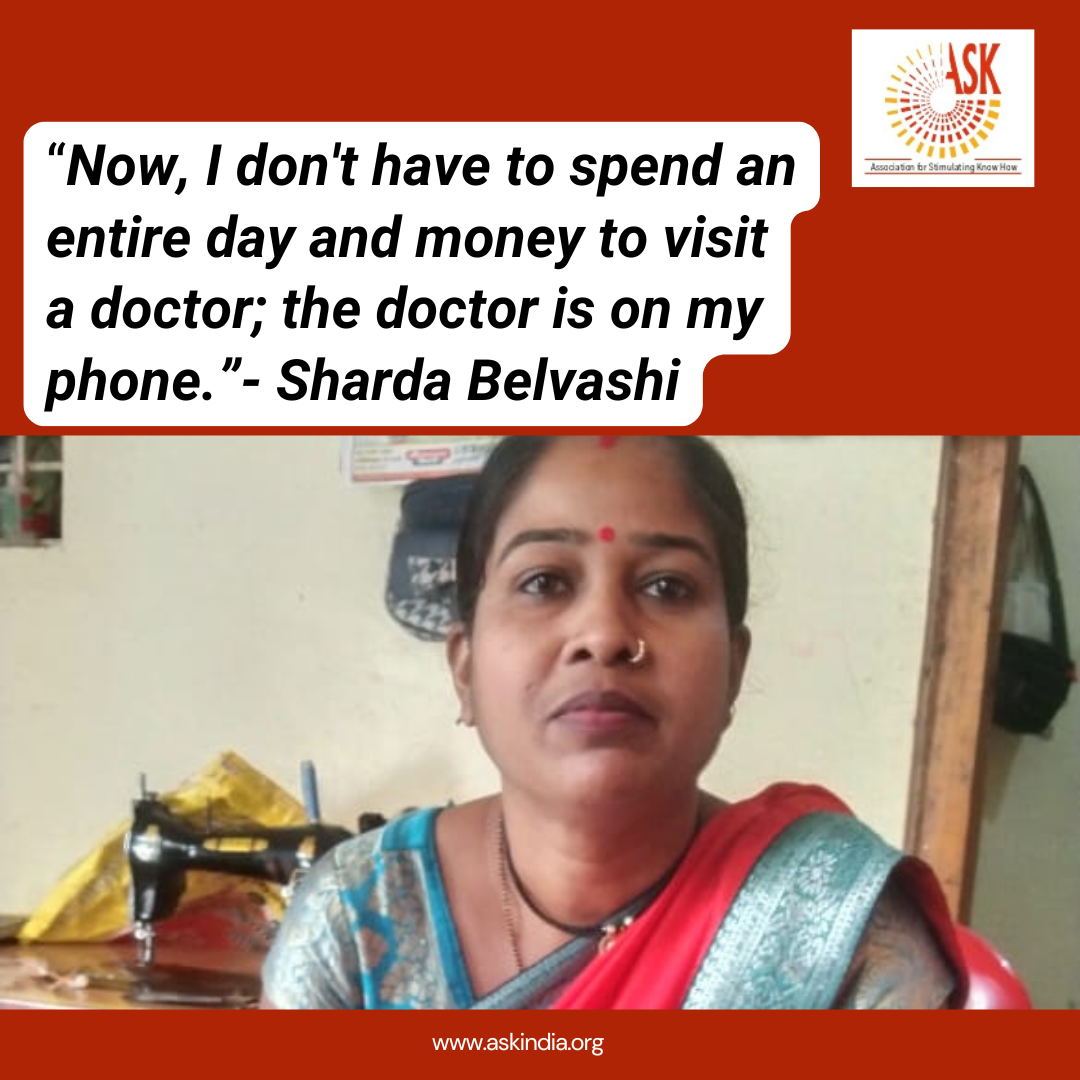
Healthcare at Their Fingertips: How Women from Rural Areas Are Embracing the Digital Shift
Sharda Belvashi, a 32-year-old resident of Khadra village in Betul district...
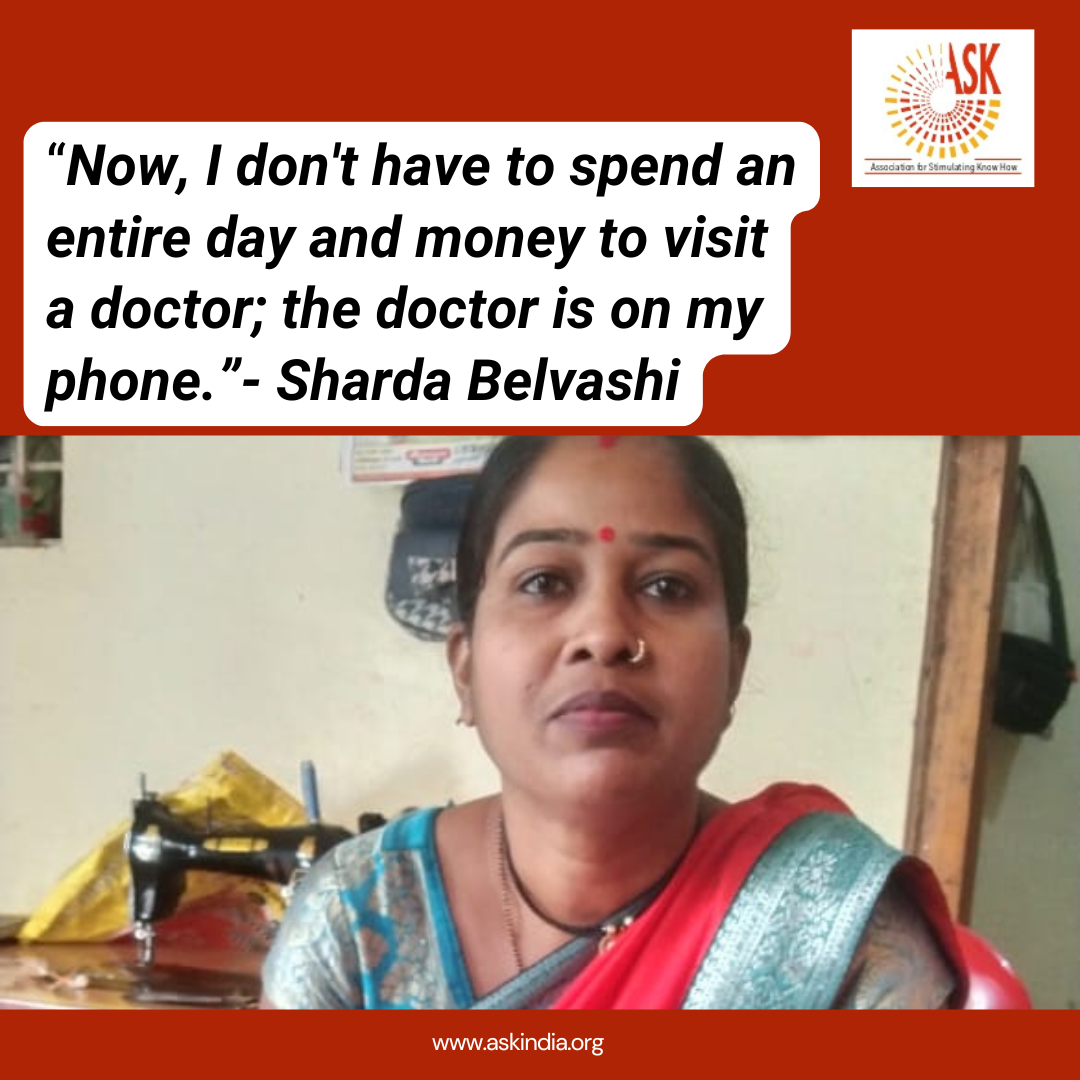
Healthcare at Their Fingertips: How Women from Rural Areas Are Embracing the Digital Shift
Sharda Belvashi, a 32-year-old resident of Khadra village in Betul district, Madhya Pradesh, lives with her family of four. Her village is remote, and accessing proper medical care has always been a challenge.
For years, Sharda had to travel over 25 kilometers to reach the district hospital whenever she or her family members fell sick. As an alternative, she often relied on local quacks for medical services.
This situation not only consumed her entire day but also significantly increased her expenses. On average, her family spent around ₹8,000 annually on healthcare, and delays in receiving treatment often worsened their health conditions.
Everything changed when Sharda enrolled in our Digital Healthcare and Inclusion program. For just ₹600, she received a health card that brought healthcare directly to her doorstep. Now, she gets access to doctor consultations and medicines conveniently at home. Her family also benefits from this service, receiving timely and efficient treatment without the need to travel long distances.
Thanks to our Digital Healthcare Program, Sharda’s healthcare expenses have drastically reduced, and she is now completely satisfied with the quality and convenience of the services.
Her story is a testament to how accessible healthcare can transform lives in remote areas.
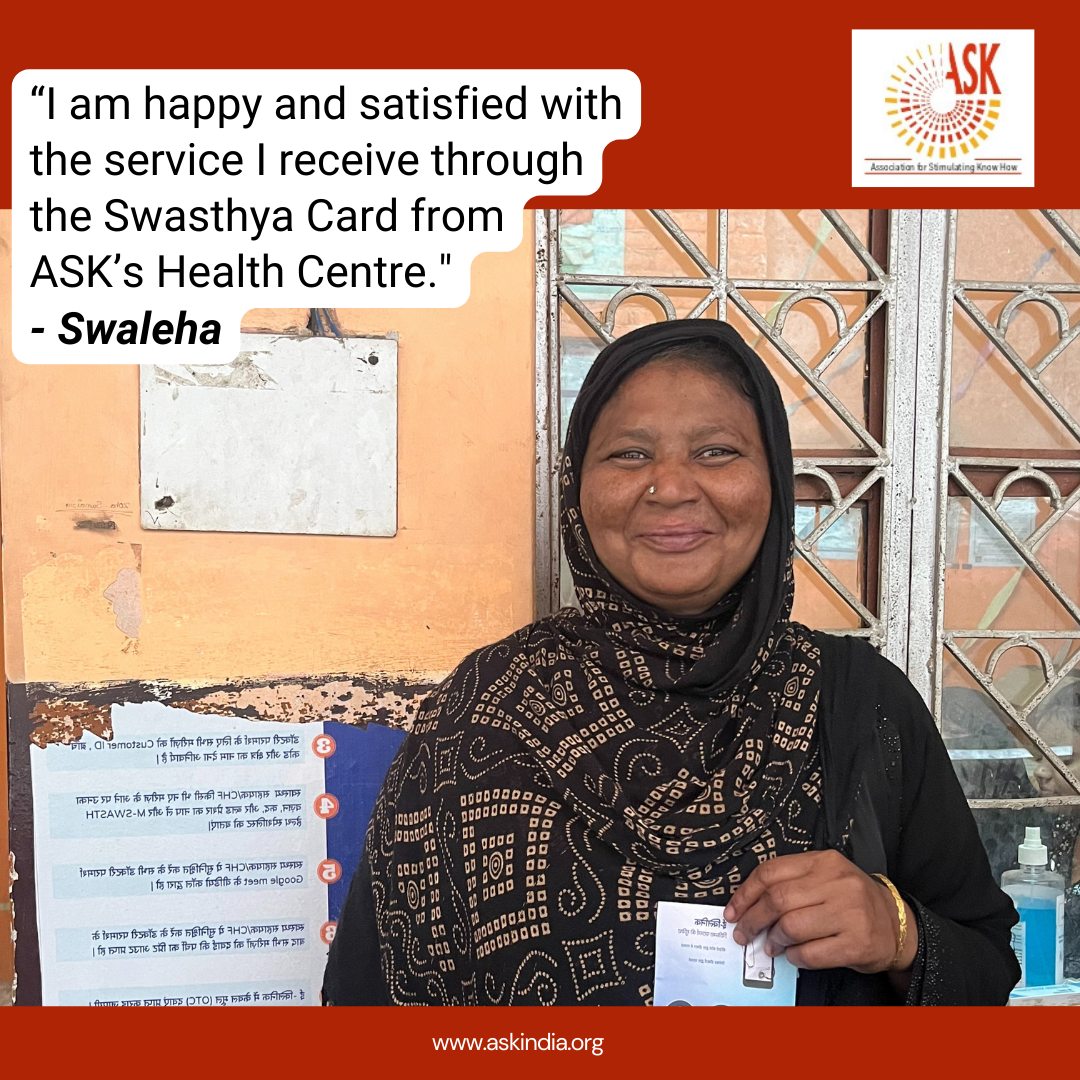
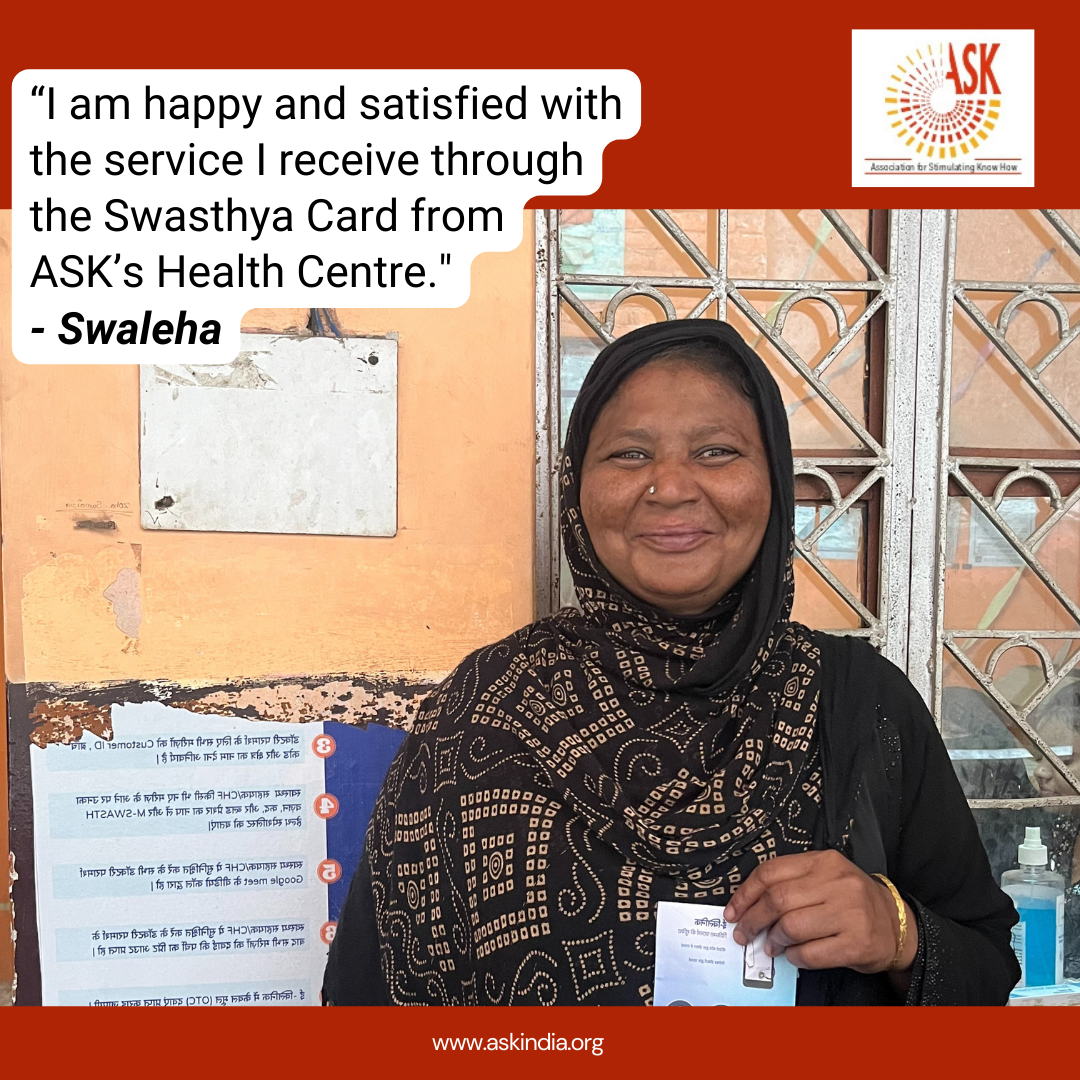
Meet Swaleha, the Woman who shares her Positive Experience of Accessing our Digital Healthcare Services
I’ve lived in Moradabad for 30 years with my two daughters, working as a domestic worker. For years, we struggled with health issues and didn’t know where to turn.
A year and a half ago, I received my Swasthya Card from ASK, and it’s been a game-changer. We now receive immediate counseling and telemedicine, and I no longer have to worry about medical costs. The timely support and access to quality healthcare have given me peace of mind, allowing me to focus on providing a better future for my daughters.