
Sustainable Agriculture Training
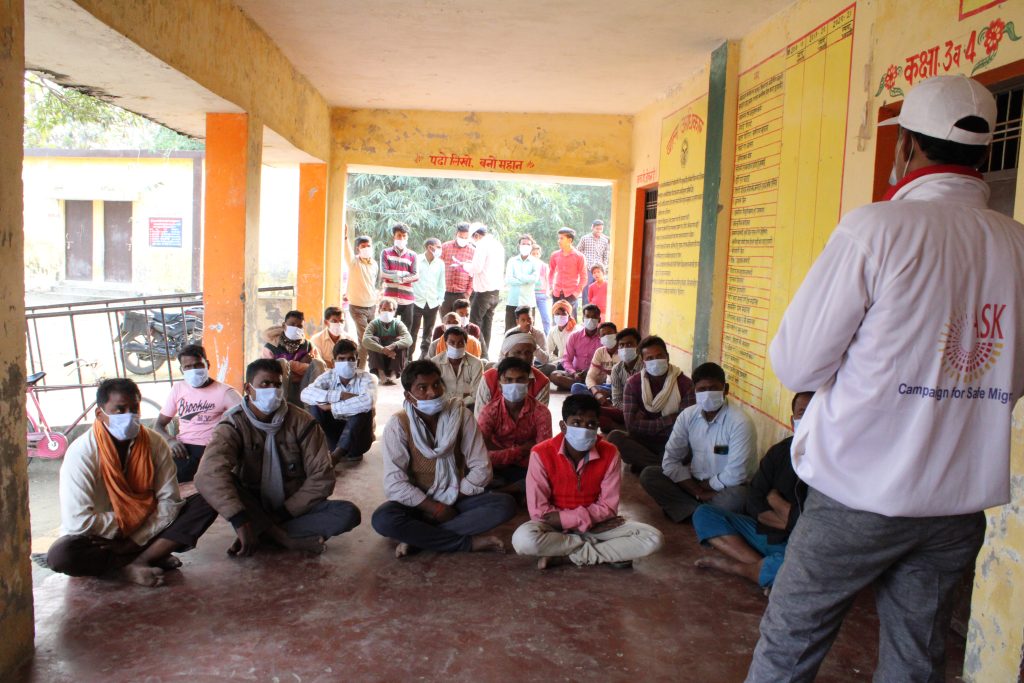
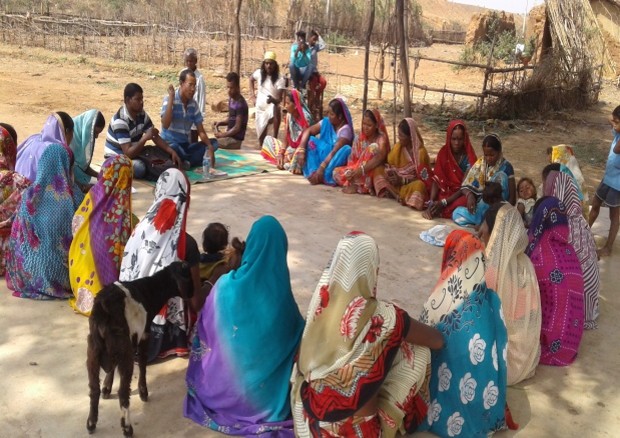
- Farmers are trained in organic and climate-resilient practices such as line sowing, intercropping, in-situ soil and moisture conservation, and preparation of organic inputs like Panchakaviyam and Jeevamrutham.
- Regular sessions are conducted through Krishi Vigyan Kendras (KVKs) to enhance skills on weed and pest management, soil health, and improved crop yields.
Formation and Strengthening of Farmer Interest Groups (FIGs)
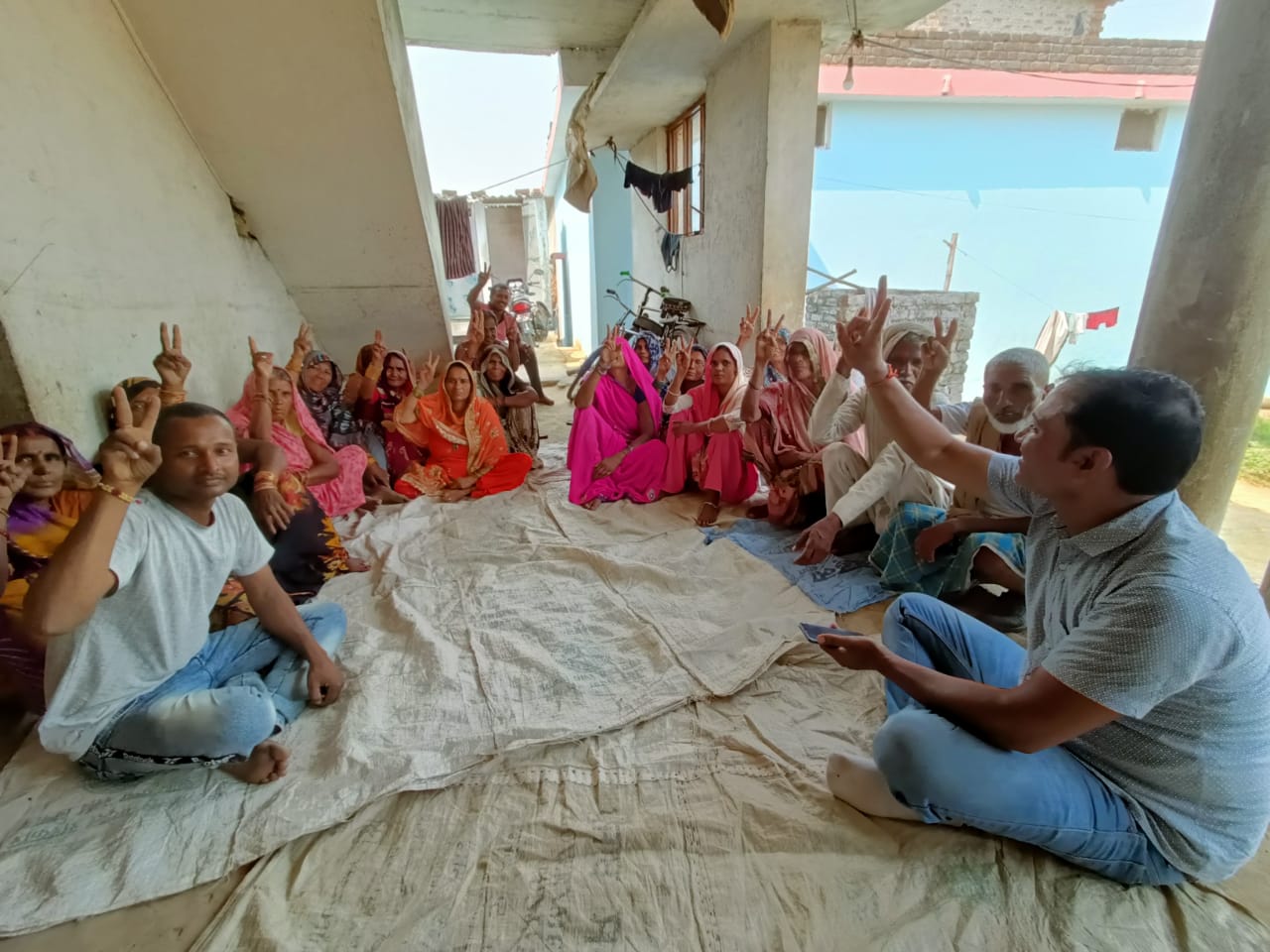
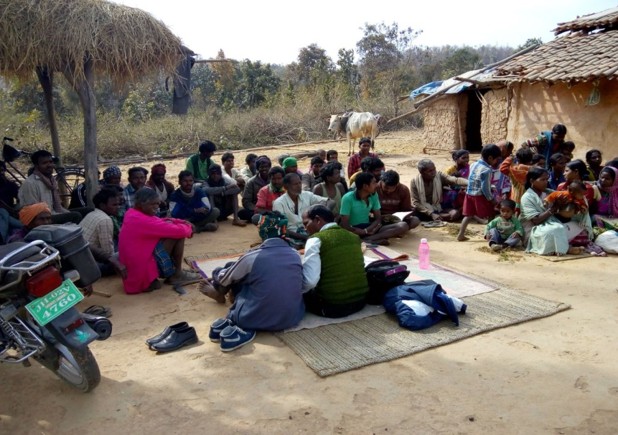
- Over 59 FIGs have been formed and trained in leadership, collective marketing, and group management.
- Farmers practice joint seed procurement, organic input preparation, and knowledge exchange — creating strong peer-learning ecosystems.
Crop Diversification and Income Enhancement
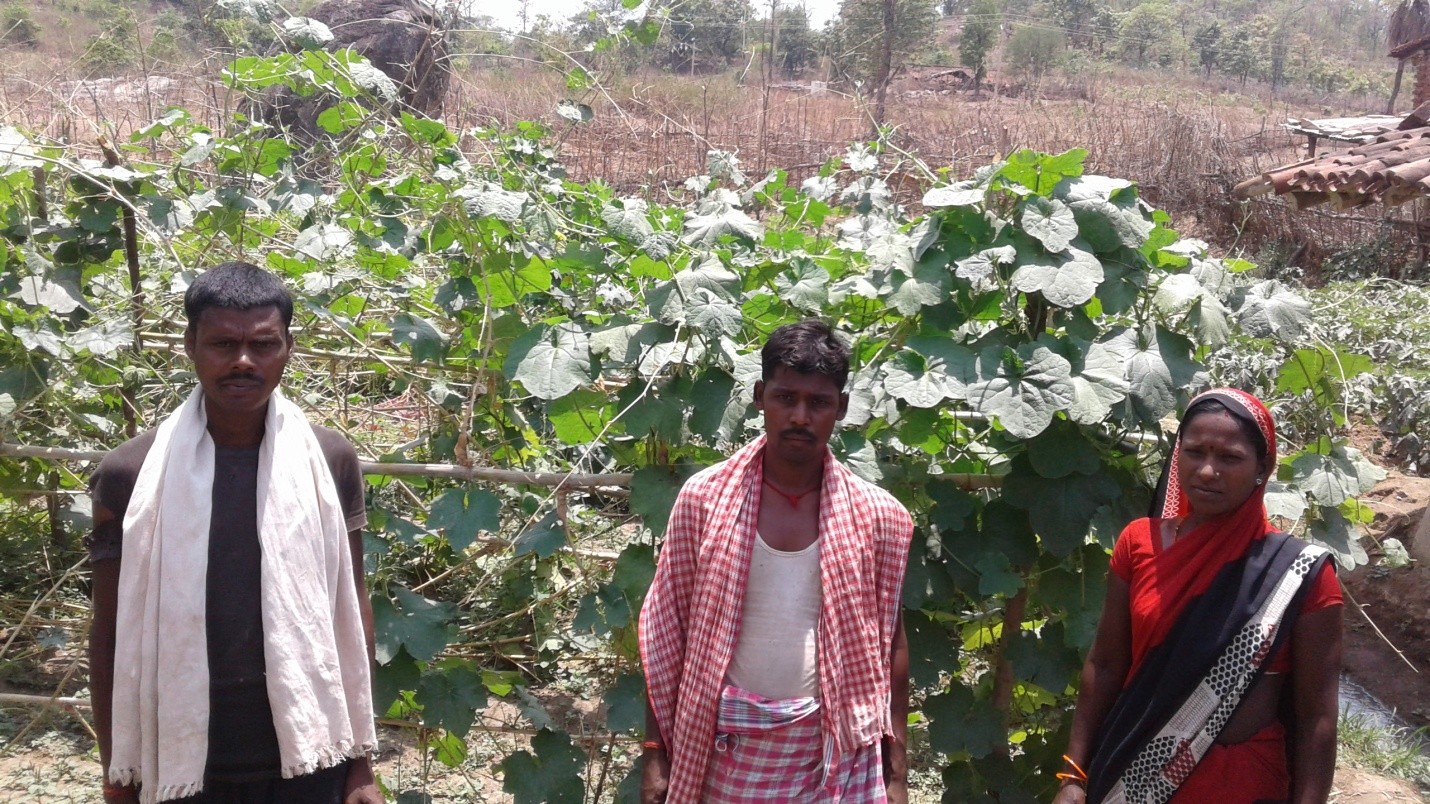
- Families previously dependent solely on mica collection or single-crop systems have diversified into vegetable cultivation, henna farming, and allied agriculture.
- Through technical training and credit support, farmers have significantly increased their annual incomes — some by as much as 300%.
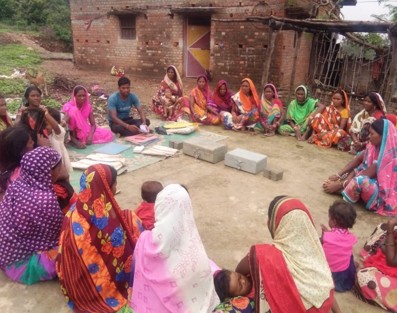
Women’s Economic Empowerment
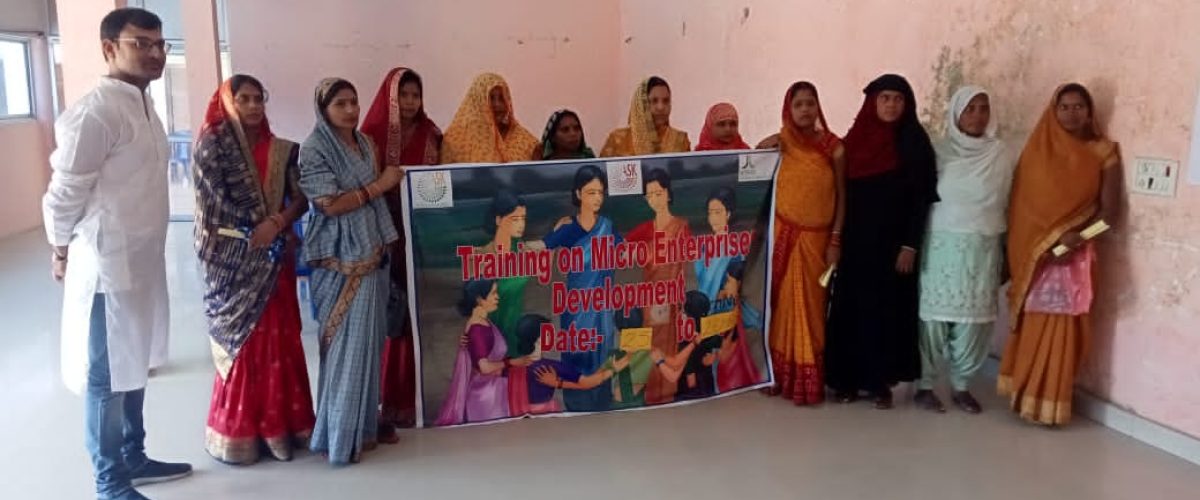
- Women farmers and landless labourers are trained in alternative livelihoods such as stitching, goat rearing, and small enterprise development.
- Self-Help Groups (SHGs) are supported to manage credit cycles, savings, and local enterprises.
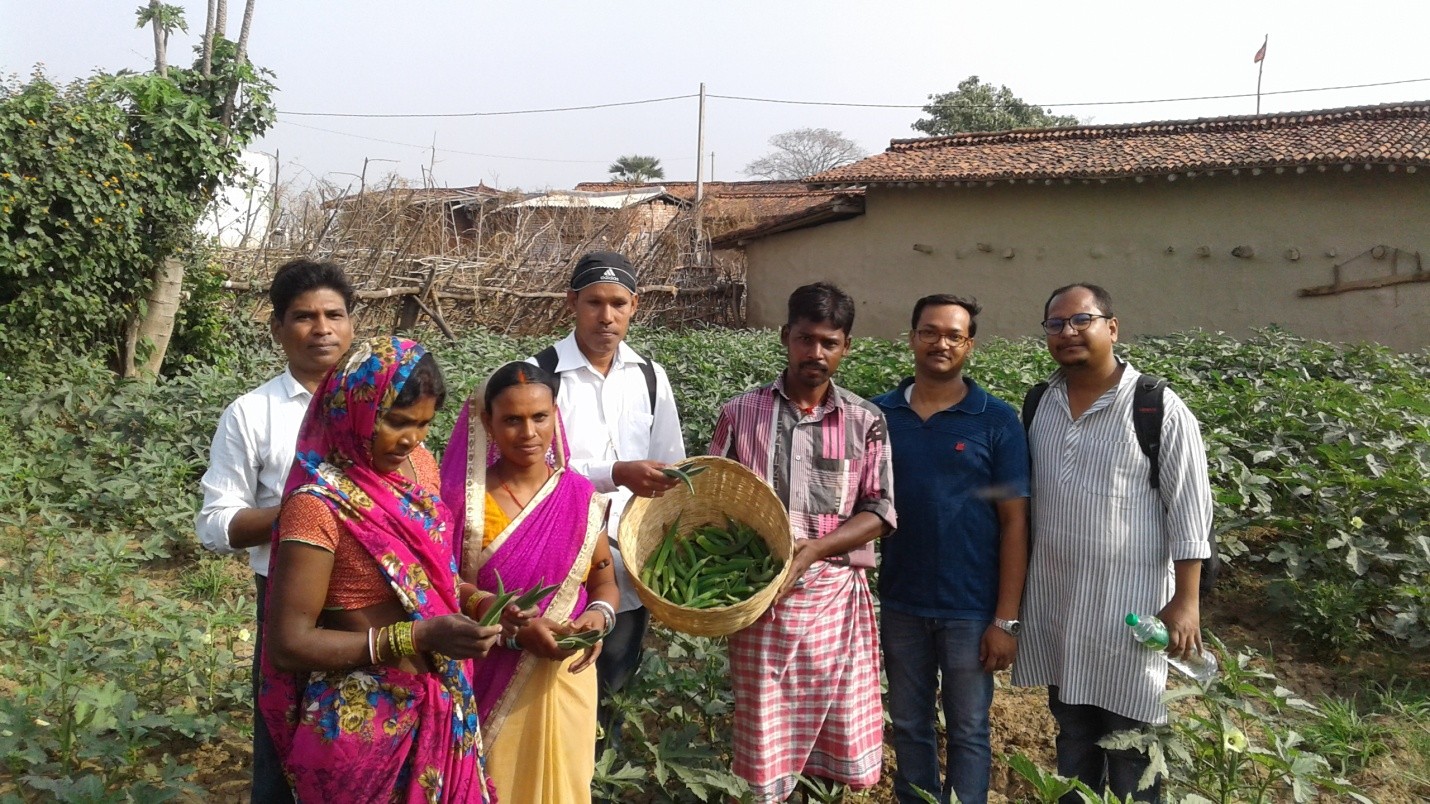
Climate Resilience and Environmental Sustainability
- ASK promotes the use of organic fertilizers, drip irrigation, and soil health cards to ensure long-term soil fertility and water conservation.
- Farmers are sensitized on climate impacts and supported in adopting sustainable crop rotations and intercropping patterns.
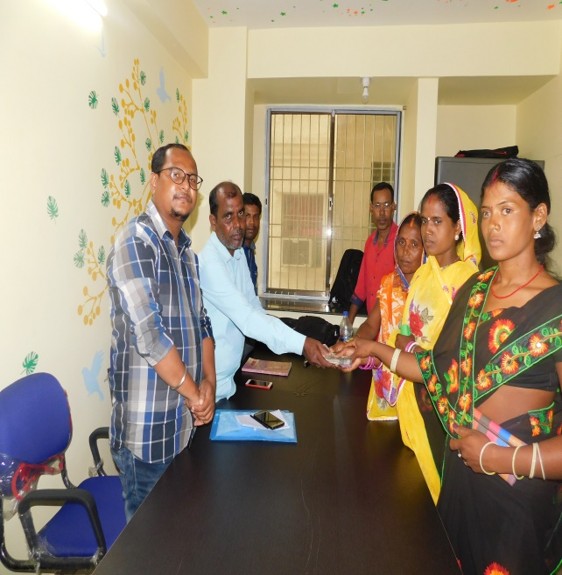
Linkages with Schemes and Markets
- ASK facilitates access to schemes such as PM-Kisan, PMFBY, and Atal Pension Yojana while linking producer groups to institutional buyers like SM Henna and L’Oréal’s sustainable sourcing initiative. .
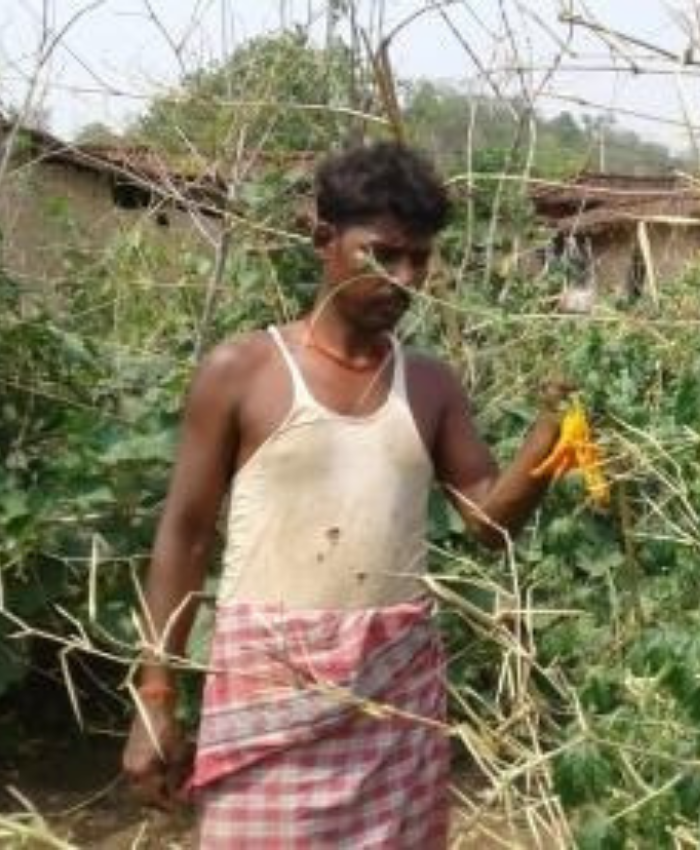
Lesser livelihood opportunity leads to higher risk to get into the claw of poverty
Ambakola is a village surrounded by hills and forests located in the interiors of the Koderma district of Jharkhand. The village is having around 38 Household living in extremely poor condition and fully dependent on Mica collection for their livelihood. ...
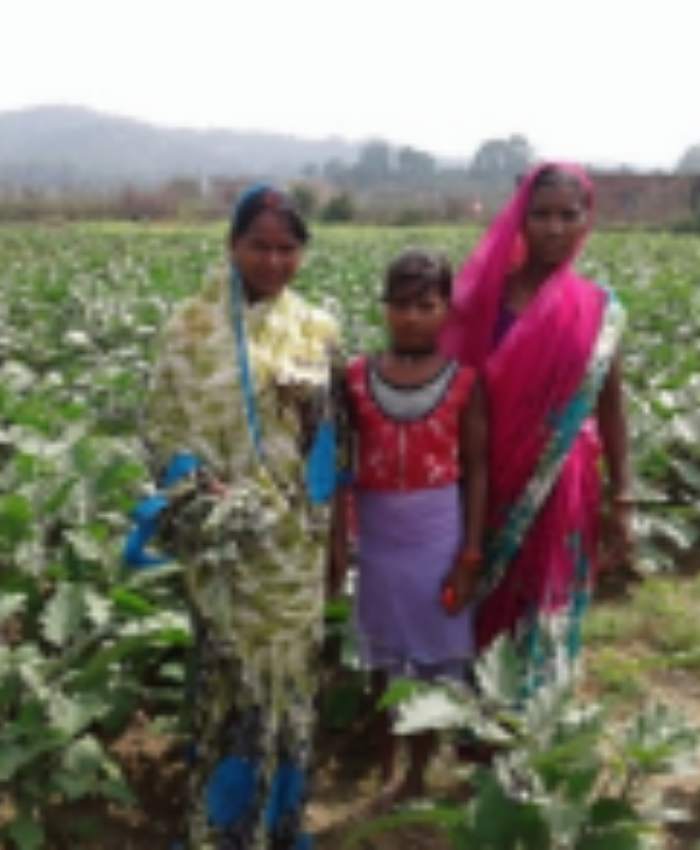
Fruits of Hard Labour
Jharki is a village surrounded by hills and forests located in the interiors of the Koderma district of Jharkhand. The village is residing beside a flowing river and having around 25 Households living in extremely poor condition....
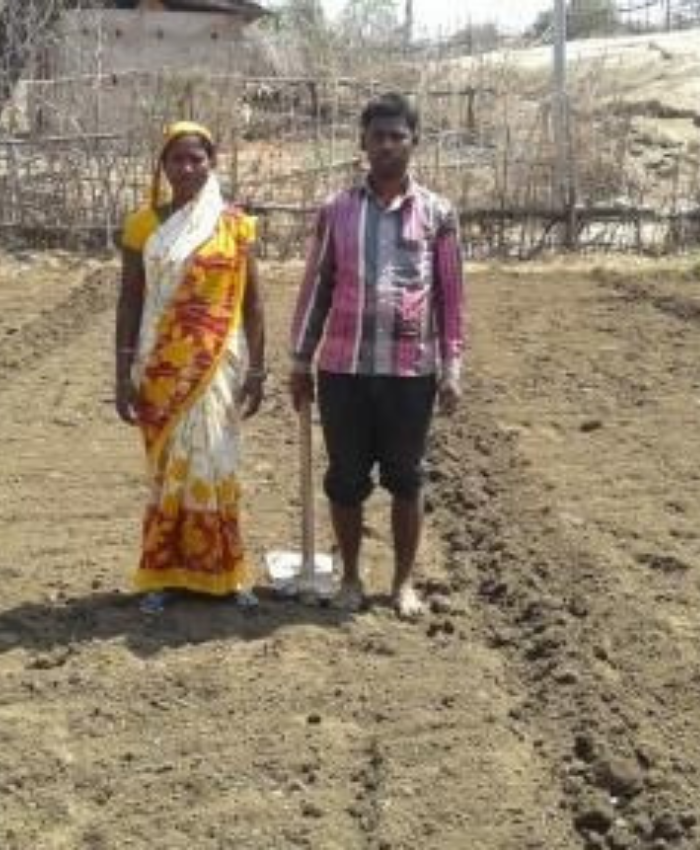
Full Circle: Salman’s Return to Sankalp as a Guide and Mentor
Rekha Devi W/O Ganesh Singh is a farmer living with her 2 children in the village, struggling to meet her day to day requirements. Both the couples are mica collectors and even though they send their children in school but after schooling both the children also share their hands with their parents for Mica collection in abounded forest area. Although there are many risks in forest but ignorance cure every pain. It was just before summer i.e. the month of April’2018 when the field officer of AT- grassroots Society (ATG) Surendra Ram visited that village for the implementation of project “Enhance of Income of Mica collector group” funded by TDH, Netherlands. After seeing the condition of that village he started interacting with the local people. Once he explained the purpose of his visit, people stared sharing their condition with him and thus he got in touch with Rekha devi and her family. He found that they have some land and 2 bulls but are completely dependent on monsoon for cultivation and that also they only cultivate paddy to manage their family requirement. Rest whole year the land remains unproductive. Case Intervention and Outcome Considering their situation Surendra trained them for summer crops (vegetables) and encouraged them to prepare the land. They were not very confident because of lack of experience and absence of money to invest. ATG team mobilised some resources and helped him with Rs. 900/- for good quality seeds, fertilizer and pesticides. Rekha Devi and her husband worked very hard under the guidance of Surendra and prepared the bed, fenced the land and made the land ready. Seeds for 4 types of vegetable (bitter gourd, lady finger, snake gourd and pumpkin) have been seeded in 2.5 katha of land. They have looked after the farming for 3 months. By the end of June they started enjoying the fruit of their hard work. Rekha has sold vegetables of Rs. 6000-7000/- till date and her own requirements of vegetables have also been fulfilled. She is very proud for doing vegetable cultivation as a means for her livelihood and thankful to the ATG staff. With lots of motivation and confidence she took the credit support from ATG and this time she prepared 5 katha of land for vegetable (Tomato, chilly and eggplant) cultivation. She is the real evidence of the success through hard work and commitment.
Fruits of Hard Labour
Sonam and her husband do MICA collection for their
daily living and are entirely dependent on MICA
collection. Both are mica collectors and even though
they send their children in school but after
schooling both the children also share their hands
with their parents for Mica collection in abounded
forest area. Although there are many risks in forest
but ignorance cure every pain.
It was during the month of May’2018 when the field officer of AT- grassroots Society (ATG) Surendra Ram visited that village for the implementation of project “Enhance of Income of Mica collector group” funded by TDH, Netherlands. After seeing the condition of that village he started interacting with the local people. He started interacting with the families and exploring opportunities to support these families. It was then that he came across Sonam devi and her family and observed their daily life. He found that they are completely dependent on monsoon for cultivation and that also they only cultivate paddy to manage their family requirement. After discussion and meeting with SOnam Devi and her husband, they showed interest in farming and would work in close collaboration with Surender to meet the agricultural inputs. They would also participate in all kind of training and input session to upgrade their knowledge and improve their agricultural produce. The family shared that they had no such idea on agriculture and farming and nobody cares for them. They had to struggle for their own living and upbringing of their children.
Considering their situation Surendra trained them for vegetable cultivation and technical inouts on farming process, and encouraged them to prepare the land. They were not very confident because of lack of experience and absence of
money to invest. ATG team mobilised some
resources in the form of Credit loans and helped
them to get good quality seeds, fertilizer and
pesticides. ATG team provided their constant
support from the very first day. Sonam Devi and
her husband worked very hard under the guidance
of Surendra and prepared the bed, fenced the land
and made the land ready. Seeds for 2 types of vegetable (Brinjal, Tomato) have been seeded in 2.5 katha of land. They have looked after the farming for 3 months. By the end of September, they started enjoying the fruit of their hard work.
She is very proud for doing vegetable cultivation as a means
for her alternative livelihood and thankful to the ATG staff.
With lots of motivation and confidence she took the credit
support from ATG and has developed the ownership to take
care things if her own.
The family is taking regular care on their farm land and
exhibiting good practices by motivating other farmers to take
care of their land and helping them in their daily farming
activities.
.